Naas Community Resist Planned Data Center
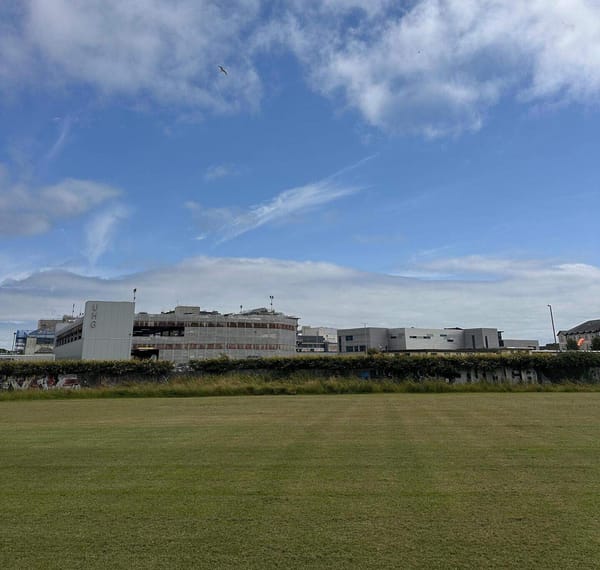
The construction of a €3 billion data centre complex around 10 times the size of Croke park by Herbata Ltd. approximately 2km outside Naas town centre is continuing to spark backlash after planning permission approval by Kildare County Council in August 2025.
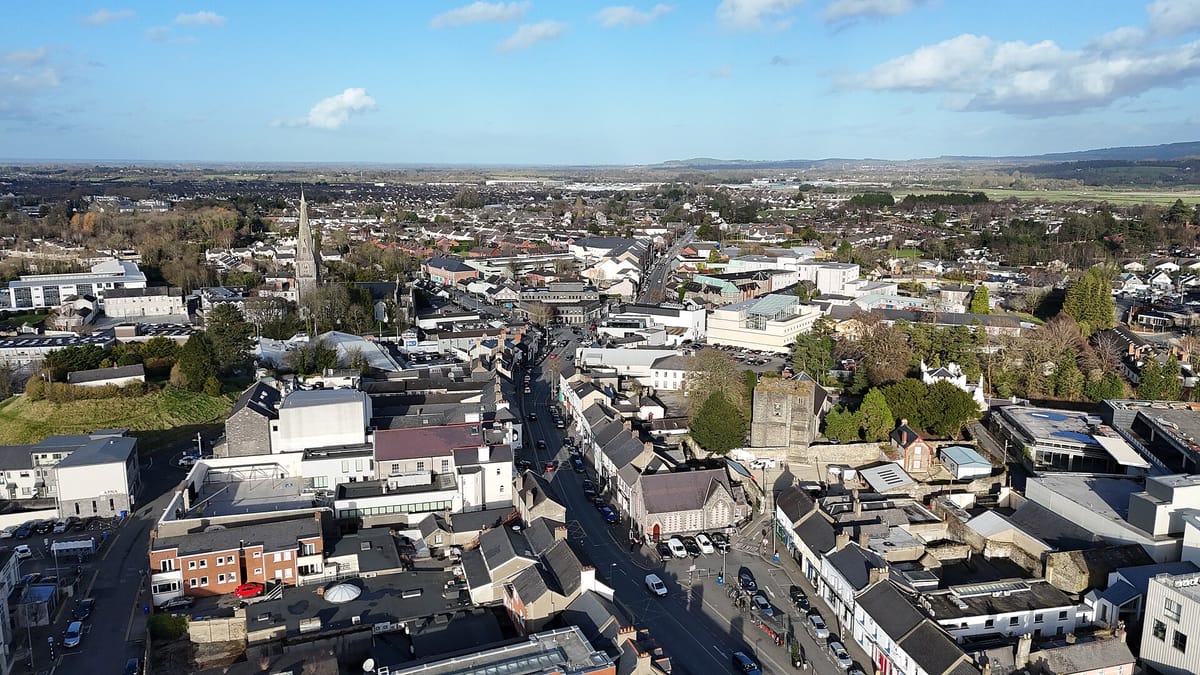
The construction of a €3 billion data centre complex around 10 times the size of Croke park by Herbata Ltd. approximately 2km outside Naas town centre is continuing to spark backlash after planning permission approval by Kildare County Council in August 2025.
A joint appeal lodged by Friends of the Earth and Friends of the Irish Environment in September challenged the decision, claiming factual errors and misrepresentations by Herbata Ltd. in their planning proposal. Prior to the appeal Herbata’s chief executive, Gerry Prendergast, stated in an Irish Times article that he anticipated an appeal from opponents, and that the environmental groups did ‘not understand the nature of the project’.
Prendergast, who also sits on the “Transportation, Mobility and Open Spaces” Strategic Policy Committee of Kildare County Council, was previously involved in the largest transaction involving development land in the history of the state in 2006 at €312 million as Company Director at Osberstown Developments Ltd. The acquired Millenium Park was transferred to NAMA in after the 2008 financial crisis, and after new business plans in 2011 where Prendergast stated that the developers would ‘make sure the taxpayer got back as much money as possible’, the Millenium park was sold for just €36 million to Tetrarch Capital in 2015 at just over 11% of its original purchase price. Interestingly, both Herbata Ltd and Osberstown Developments Ltd are registered at the same address in the Millenium park which is now owned by Tetrarch.
Prendergast seems to have been kept as a manager for Millenium park by Tetrarch capital, with Prendergast having lobbied Kildare County Council on behalf of Tetrarch in 2019 regarding the Naas Local area plan 2019-2023. The rezoning of the Jigginstown area for data centres where the new Herbata complex is planned for, was outlined in the Naas local area plan 2021-2027, noting both that “this trend is expected to continue into the foreseeable future” when discussing the increased development of Irish data centres and that “Data Centres by their nature… are land extensive and energy hungry developments”.
The complex is estimated to require 240 MW energy, approximately 3 times the current energy usage of Kildare, according to the joint appeal. While Herbata plans to source 50 per cent of its electricity from corporate power purchase agreements with wind and solar farms, this will not offset the additional carbon produced by this development. This stated plan conflicts with the data centre policy of An Taisce outlining that 100% renewables are needed prior to a data centre going online in order to achieve our legally binding emissions reductions obligations.
In 2024 data centres accounted for 22% of Ireland's total grid electricity, and in the period of 2017-2023 the increased energy consumption due to data centres entirely eclipsed renewable energy production from wind added to the grid. The International Energy Agency predicted that by this year (2026) that a third of Ireland's grid electricity would be used by data centres with blackouts being predicted, and EirGrid frantically introducing derogations that help lower the risk of widescale blackout, with EirGrids Liam Ryan noting “They’d prefer if we weren’t doing this because they now have to make changes to their systems”.
This comes at a time when data centre rollouts are being stalled, with planned rollouts often running into infrastructural issues and political opposition. The credit rating of one of the largest 20 companies in the world, Oracle, was recently lowered to one level above “junk” with the infrastructural rollout issues of OpenAI being directly cited as one of the major reasons.
The new Naas Data centre complex is expected to take 8 years to complete once development has started, putting its earliest operational date in 2035. This raises concerns about whether these will become largely stranded assets much like we saw in the 2008 crash, and whether such investment commitments in the absence of suitable infrastructure and assured demand could be the death knell for Ireland's climate targets.